2026-10-23 ·
Preventing Moisture Problems Near The 101 In Winnetka
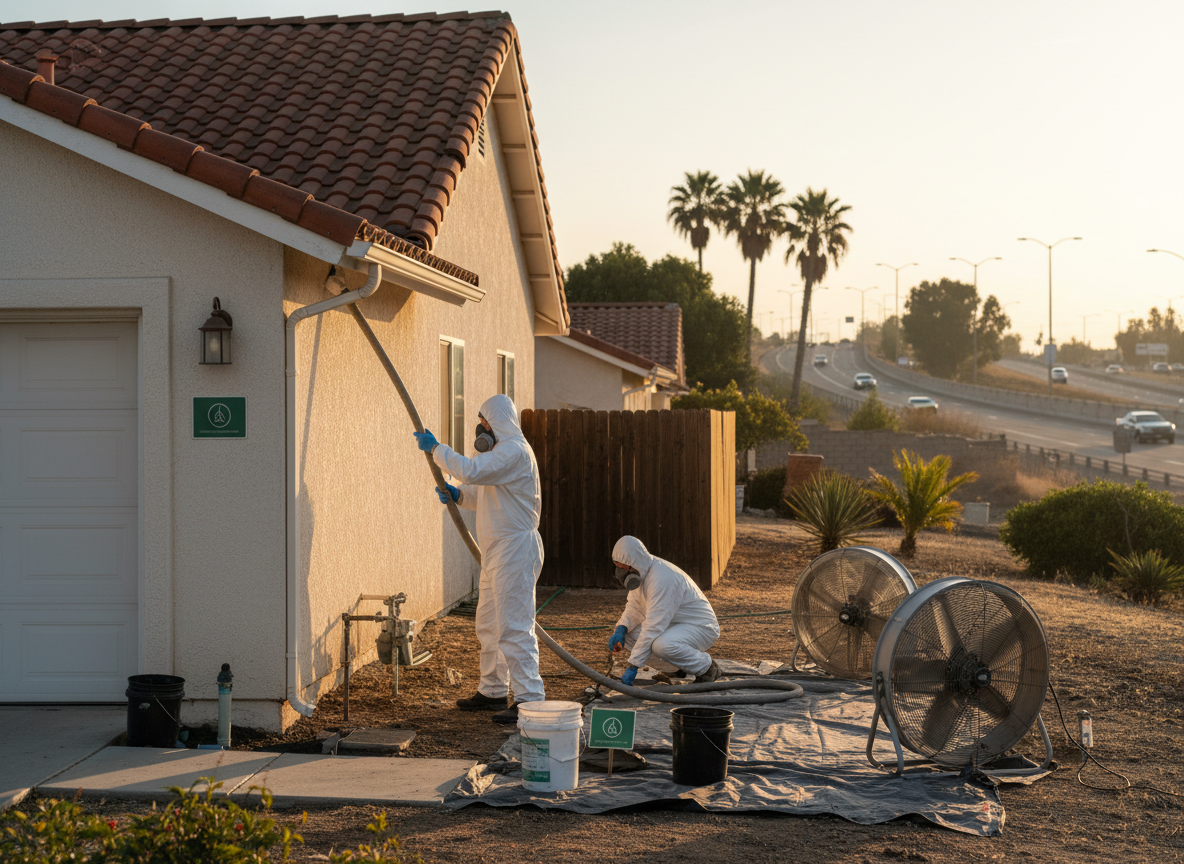
Homes within a few blocks of the 101 in Winnetka see moisture problems mainly from roof leaks at expansion joints, poor attic ventilation, and AC condensate lines that drip into wall cavities during the warm months. These issues appear most often in the single-story ranch houses built between 1955 and 1970 that line streets such as Winnetka Avenue and near Winnetka Park.
Climate and Freeway Effects on Local Homes
Winnetka sits in a mild Mediterranean climate with warm dry summers that push residents to run air conditioning for long stretches. When outside air cools rapidly at night, temperature differences between the freeway corridor and side streets increase condensation inside attics and crawl spaces. The constant traffic vibration along the 101 also loosens flashing around skylights and vents over time, allowing small amounts of water to enter during rare winter rains. Older stucco exteriors common in Sherwood Forest and around Pierce College trap this moisture behind the wall surface instead of letting it dry outward.
Typical Moisture Entry Points in Winnetka Housing Stock
Most homes near the 101 still use original galvanized or cast-iron plumbing that has reached 50 to 65 years of service. Joints under bathrooms and laundry rooms corrode first, sending slow leaks into subfloors. Attic insulation often sits directly against roof sheathing with minimal ridge venting, so any roof drip stays trapped. Window frames installed before modern weatherstripping allow humid air from evaporative coolers to reach wall cavities during summer evenings. Residents in East Winnetka and near Collins Street report repeated ceiling stains after even light rain because original roof underlayment has dried out.
Practical Prevention Steps for Homeowners
Inspect roof flashing and skylight seals twice a year, especially after Santa Ana wind events that can shift tiles. Add or clean soffit and ridge vents so attic temperatures stay within 10 degrees of outside air during summer. Route AC condensate lines to exterior drains rather than letting them empty into wall chases. Replace rubber washing-machine hoses with braided stainless lines every five years. In crawl spaces, cover soil with 6-mil vapor barrier and add a small dehumidifier if relative humidity stays above 55 percent during the cooler months. These steps directly reduce the water load that leads to hidden mold colonies.
For homeowners who notice musty odors or unexplained ceiling spots, a home mold inspection provides a clear map of problem zones before damage spreads. Properties in West Winnetka and near Canoga Park benefit from the same checklist because they share the same housing age and freeway exposure.
When to Call for Professional Assessment
If moisture stains reappear within weeks of drying or if indoor humidity stays above 60 percent despite ventilation changes, schedule testing rather than repeated DIY drying. Early detection prevents the need for larger mold remediation near me work later. The same mid-century construction details that create moisture paths also determine how far water travels before it becomes visible, so targeted checks save time and expense.
Readers dealing with similar homes can review Mold Concerns In Mid Century Winnetka Homes for construction-specific details and How To Check AC Units For Mold In Winnetka Summers for seasonal maintenance guidance.